Premium compliant hardware engineered to decrease operating risk, lower corporate liability premiums, and pass strict international safety audits.
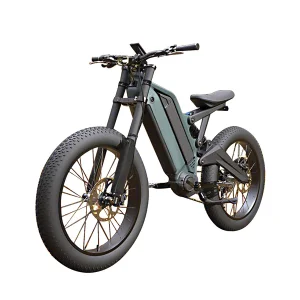
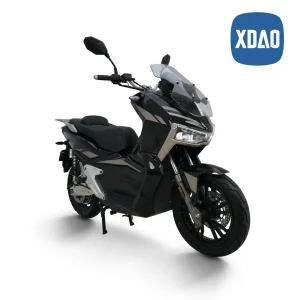
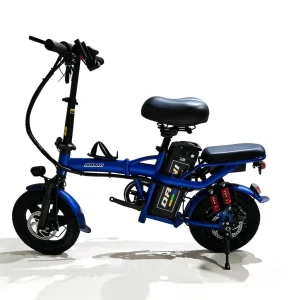
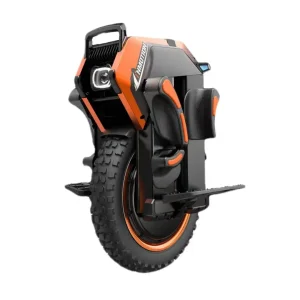
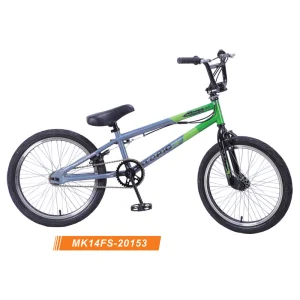
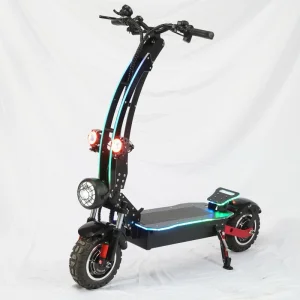
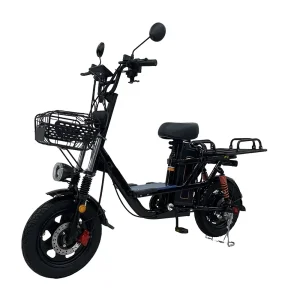
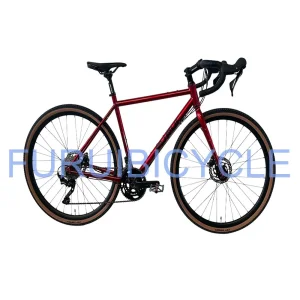
As a global pioneer in clean urban transit, Tianjin Evergreen Vehicle Co., Ltd. stands as a premier Chinese manufacturer and leading exporter of high-safety, electric power-assisted vehicles. Boasting over 30 years of industry experience, our mission centers around designing, engineering, and manufacturing sustainable, high-durability electric bicycles and micro-mobility vehicles that satisfy strict global compliance frameworks.
For insurance underwriters, commercial fleet buyers, and retail distributors alike, vehicle safety and regulatory compliance are the primary determinants of risk-modeling and liability insurance premiums. Recognizing this, Tianjin Evergreen designs every model with structural resilience and certified electrical components.
Our strategic global footprint—comprising factories in China, Europe, and Asia—positions us to service international logistics, supermarket networks, postal delivery contracts, and municipal transit fleets with certified, premium-grade micro-mobility options.
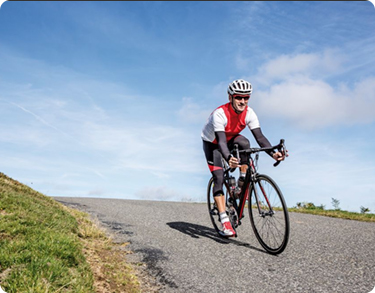
Our corporate philosophy centers on providing structural guarantees that insulate partners from third-party liabilities and high premium rates.
Over the past three years, we have expanded our local operations across Australia, Japan, and the European Union. By offering local trial samples, rapid delivery systems, and localized replacement parts, we minimize supply chain disruption, helping operators keep their insurance validation status constant and their equipment fully compliant with regional road requirements.
Leveraging cutting-edge R&D, we manufacture vehicles equipped with real-time telematics, intelligent BMS (Battery Management Systems), and durable mechanical structures. Our integration of green energy technologies supports municipal decarbonization while ensuring each product passes exhaustive thermal run-away and impact protection trials.
Quality control is integrated at every stage of the fabrication process. Our micro-mobility vehicles undergo strenuous field tests under the harshest environments (including Australian desert tracks and freezing Scandinavian paths) to ensure they are durable enough to maintain lower loss ratios for cargo fleets and commercial sharing programs.
Exploring the intersection between premium-grade hardware, liability distribution, and supply chain reliability.
In the past decade, micro-mobility has shifted from a recreational pastime to a core pillar of urban transportation. With this shift, the complexity of cycling insurance underwriting has grown exponentially. According to recent actuarial reports, third-party bodily injury claims, frame fractures, and lithium-battery thermal events account for over 85% of insurance payouts in the commercial cycling sector.
Insurance companies are transitioning from individual personal liability policies to extensive, fleet-wide commercial general liability (CGL) policies. To remain insurable at viable rates, global sharing operators, postal networks, and cargo delivery enterprises must present physical evidence of structural compliance. Sourcing from a certified manufacturer is no longer just a purchasing decision—it is a core risk management requirement.
Certifications such as EN15194-2017 (the European standard for electronically power-assisted cycles) and components adhering to CE, UL, ROHS, and REACH act as primary indicators for insurers. They prove the equipment has been verified for electrical safety, battery stability, and structural loading capacity under extreme usage.
Corporate procurement departments face complex challenges when managing international vehicle fleets. They must balance unit cost with durability, regulatory compliance, and localized safety mandates. Purchasing non-compliant equipment from unverified manufacturers leads to:
By establishing robust QA guidelines, Tianjin Evergreen guarantees that its fleet offerings bypass regulatory barriers. Our close collaborations with international inspection authorities like TUV and SGS ensure our clients obtain the exact certification profiles required by corporate compliance teams and insurance brokers in the United States, Germany, Australia, and Sweden.
Tianjin Evergreen’s manufacturing infrastructure leverages automated Industry 4.0 technologies to eliminate human error in safety-critical assemblies. Our strategic factories in China, Poland, Portugal, Bulgaria, and Hungary provide both high-volume production efficiency and regional logistical flexibility.
Our manufacturing workflow includes precision machining and structural verification. Each phase is documented to ensure traceability, proving to insurers that our frame integrity and mechanical performance are verified:
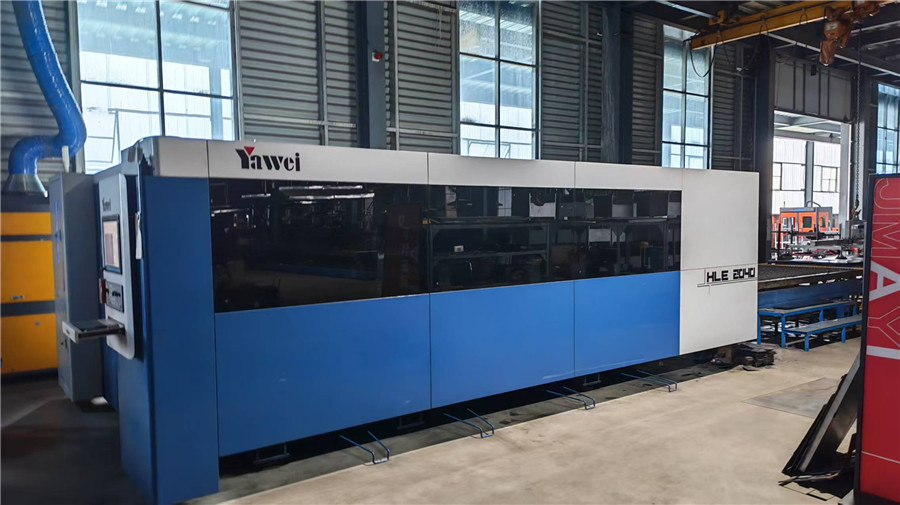
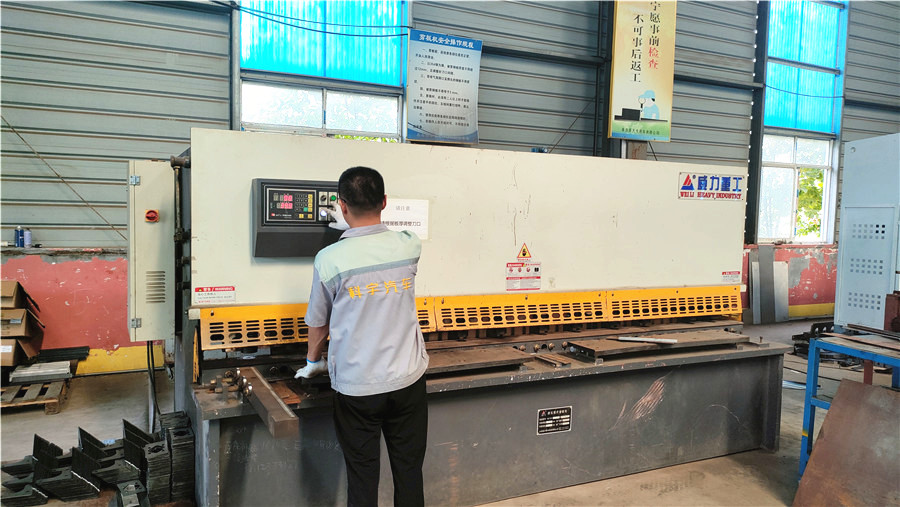
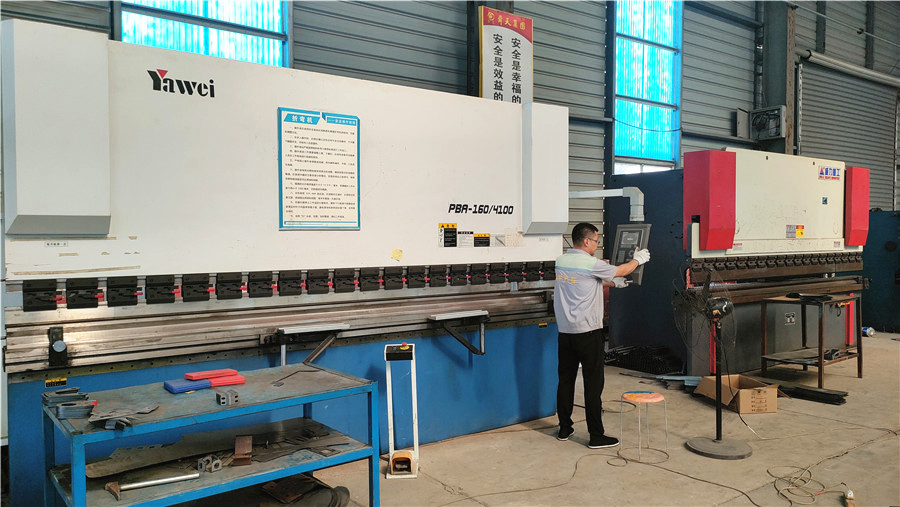
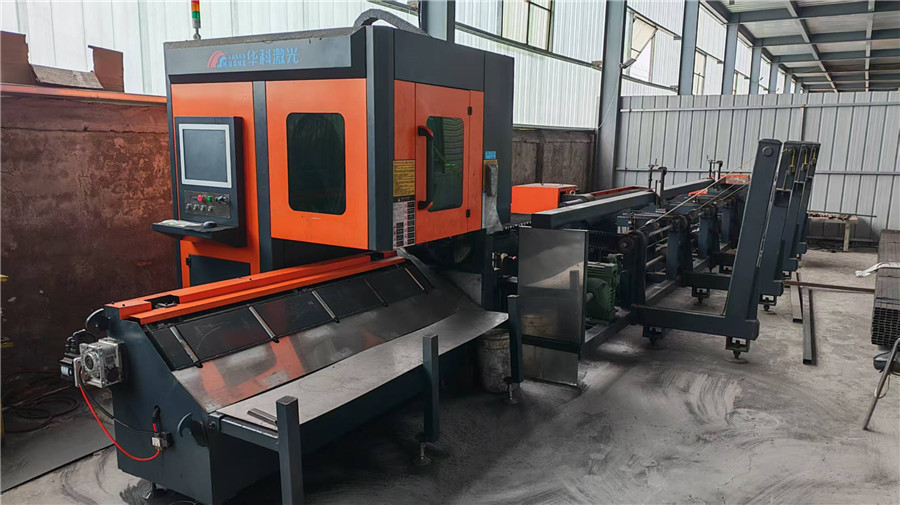
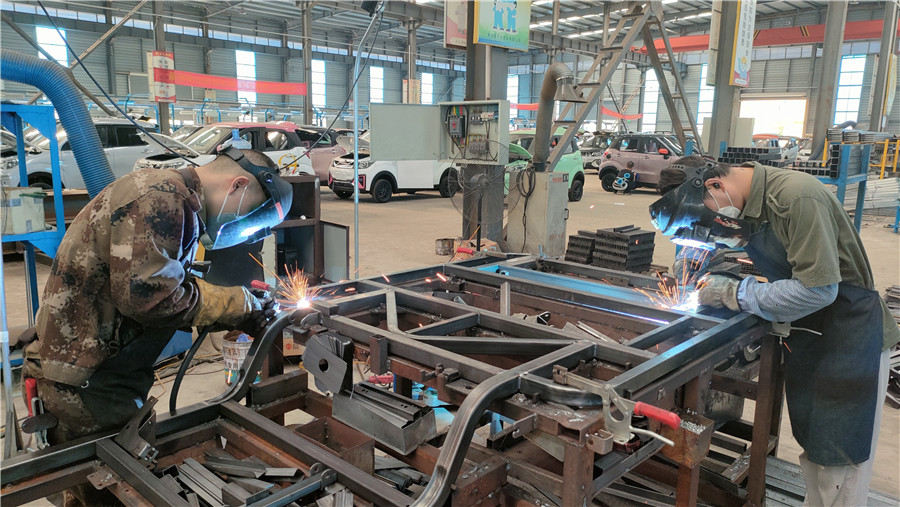
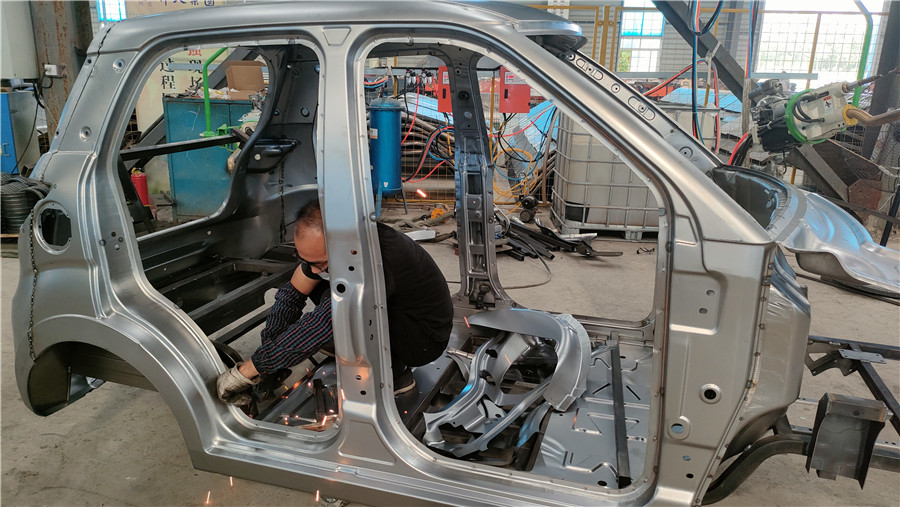
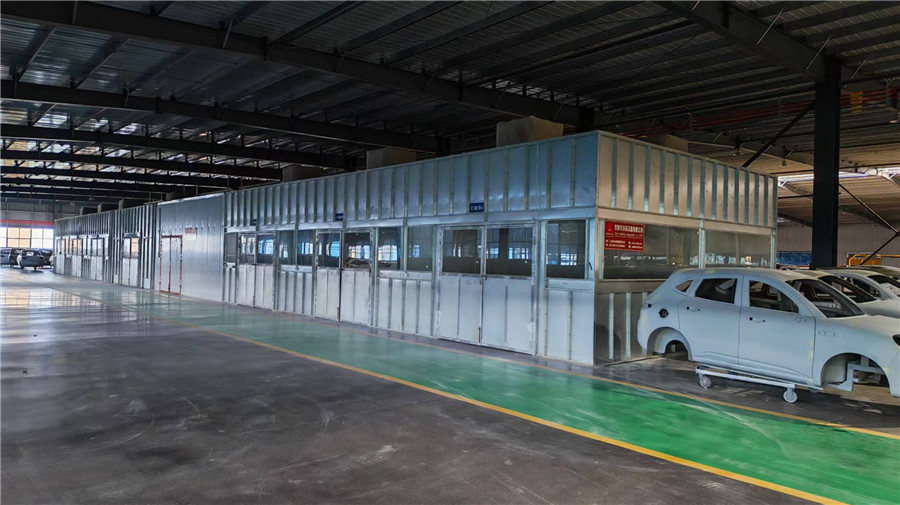
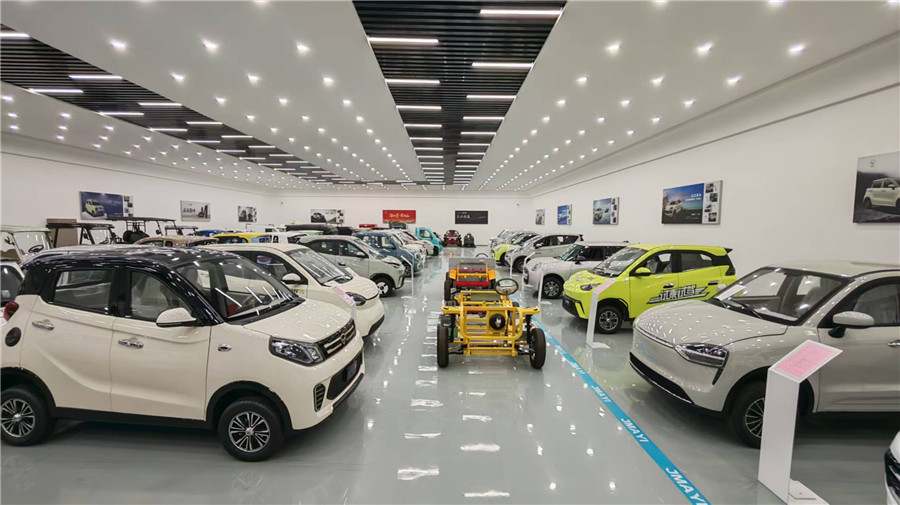
By maintaining high welding standards, laser-precision pipe cutting, and premium powder-coating processes, we prevent mechanical failures and frame fatigue. This high-integrity manufacturing reduces operational risk, helping global fleet operators negotiate better rates with their insurance providers.
Our facilities maintain transparent manufacturing standards, providing complete visibility into our safety testing and build processes.
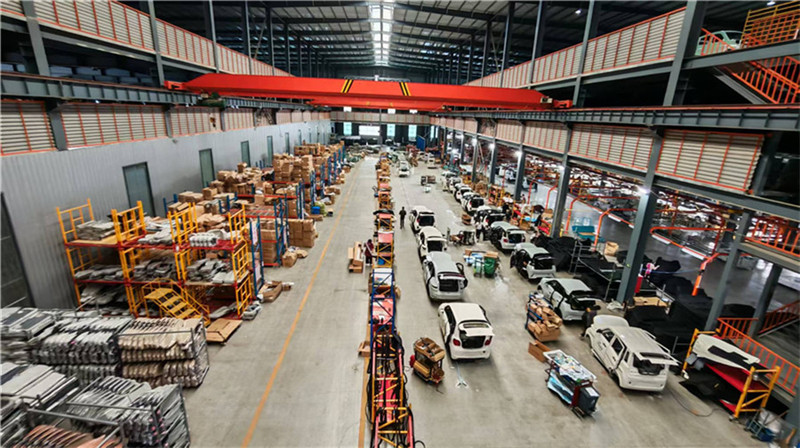
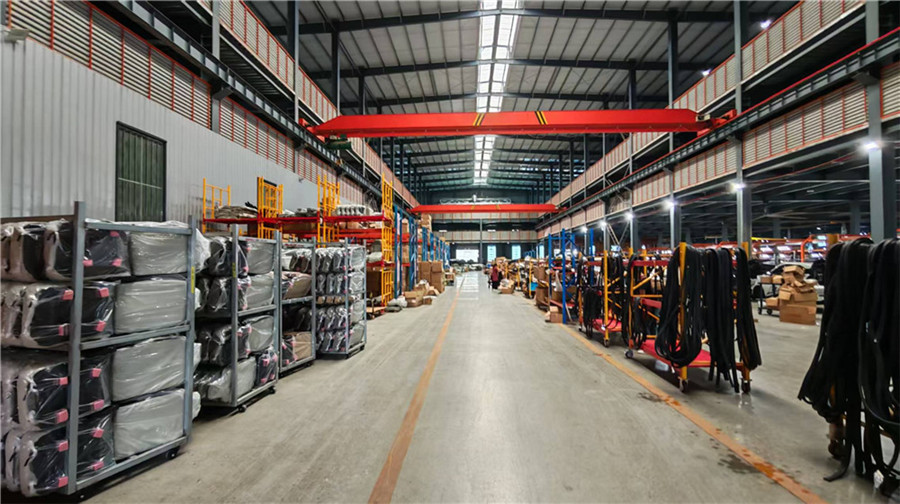
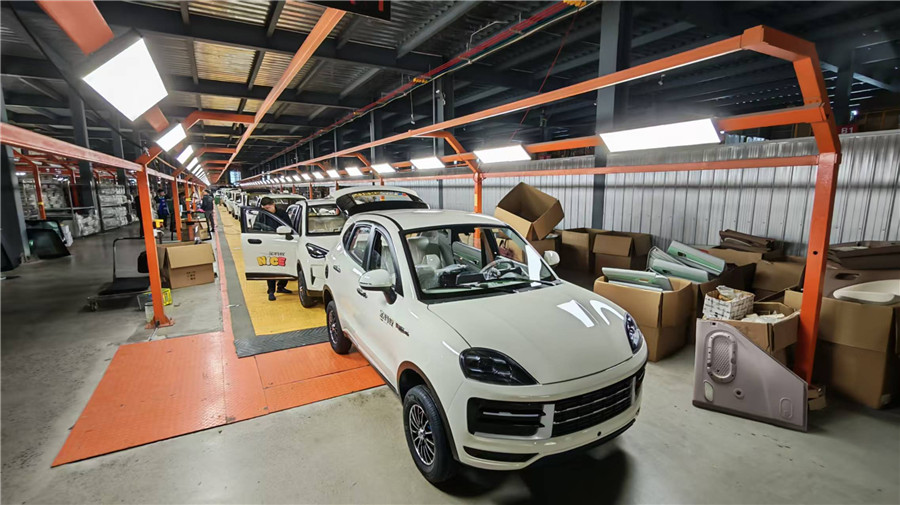
How different micro-mobility deployments navigate specific regulatory landscapes and cycling insurance demands.
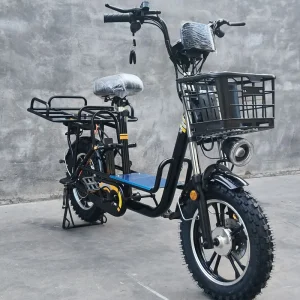
Delivery hubs in Germany, France, and the UK require heavy-duty cargo e-bikes. These vehicles run up to 10 hours a day under heavy payloads. Insurance providers for these services evaluate frame stability and brake wear rates closely.
By utilizing our double-reinforced steel and aluminum alloy chassis, equipped with certified lithium-ion battery assemblies, logistics companies can demonstrate lower accident risks to underwriters. This helps secure lower premiums for fleet-wide liability coverage.
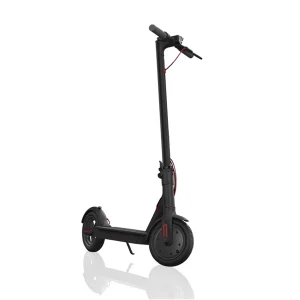
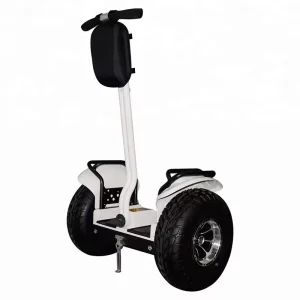
Public electric scooter and unicycle initiatives in modern cities face strict regulatory scrutiny. Standard-compliant, high-visibility hardware with reliable electronic speed limits is essential to prevent accidents.
Our smart self-balancing personal transporters and folding urban commuters feature built-in speed limiters and IPX6 weatherproofing. This reduces the risk of water-induced short circuits and control failures, addressing two key sources of liability claims in the public transit sector.
Answers to common B2B questions regarding insurance alignment, certification processes, and exporting compliance.
EN15194-2017 is the primary harmonized standard for power-assisted electric cycles in Europe and Australia. Purchasing certified vehicles demonstrates to insurance underwriters that your fleet meets rigorous electrical, battery, mechanical, and safety requirements. This lower risk profile often qualifies operators for reduced commercial general liability (CGL) and third-party property damage premiums.
Yes. We design our vehicles with premium components that meet regional safety standards, including UL 2271 and UL 2849 for batteries and drive systems. This ensures your vehicles comply with local regulations in regions like the US, helping you avoid importation issues and secure comprehensive business insurance coverage.
Our manufacturing processes utilize laser cutting, automated pipe bending, and robotic welding to ensure high precision across all production batches. This precision reduces welding defects and micro-fractures, which are leading causes of mechanical failure. Insurers value this consistency as it lowers the risk of product liability claims.
Yes. Through our manufacturing partners in China, South Korea, Taiwan, Poland, Portugal, Bulgaria, and Hungary, we offer custom OEM/ODM solutions tailored to specific commercial applications. We ensure all custom modifications are documented and engineered to pass standard compliance checks, preserving the vehicle's safety profile for insurance underwriting.
Our established EU dealer network provides quick access to original replacement parts, technical support, and product trials. This localized support helps operators maintain their fleets in optimal condition, minimizing down-time and reducing the safety risks associated with delayed maintenance.
We use advanced Battery Management Systems (BMS) that actively monitor voltage, temperature, and cell balance. These systems prevent overcharging and short circuits, meeting the strict requirements of CE, ROHS, and REACH standards to minimize fire hazards.
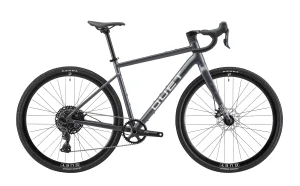
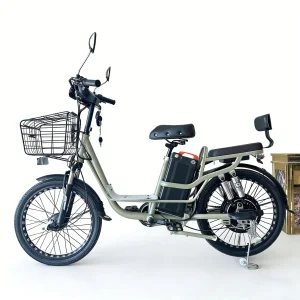
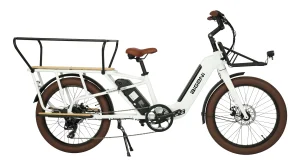
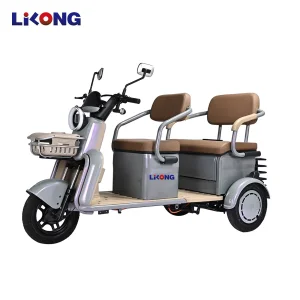
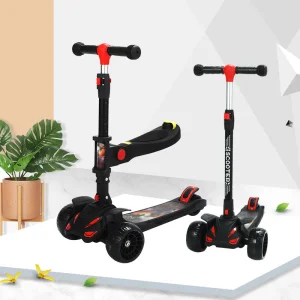
Explore our full line of specialized electric passenger vehicles, cargo bikes, and commuter models built for safety and reliability.
 Evergreen Vehicle