E-scooters are becoming an increasingly popular mode of transportation in urban areas. Many cities have adopted these vehicles to reduce traffic congestion and promote eco-friendly transit options. However, as e-scooter use grows, so do concerns about safety and regulation. Riders often ask, "What are the legal requirements for riding an e-scooter in the city?" Understanding these regulations is crucial for ensuring safety and compliance.
Each city has unique rules governing e-scooter use. Some require riders to wear helmets, while others set age limits or designate specific lanes for scooter travel. Additionally, users should be aware of local speed limits and parking rules to avoid fines. These regulations can vary widely, which may confuse new riders. Without clear guidance, individuals may unintentionally violate laws and face legal repercussions.
Being informed about the legal aspects is essential. Riders need to research their city's specific laws. This may seem tedious, but it can prevent accidents and ensure a smoother ride. It’s important to recognize that compliance enhances the whole community's safety. Every rider plays a role in maintaining safe streets, so understanding what's required is key.
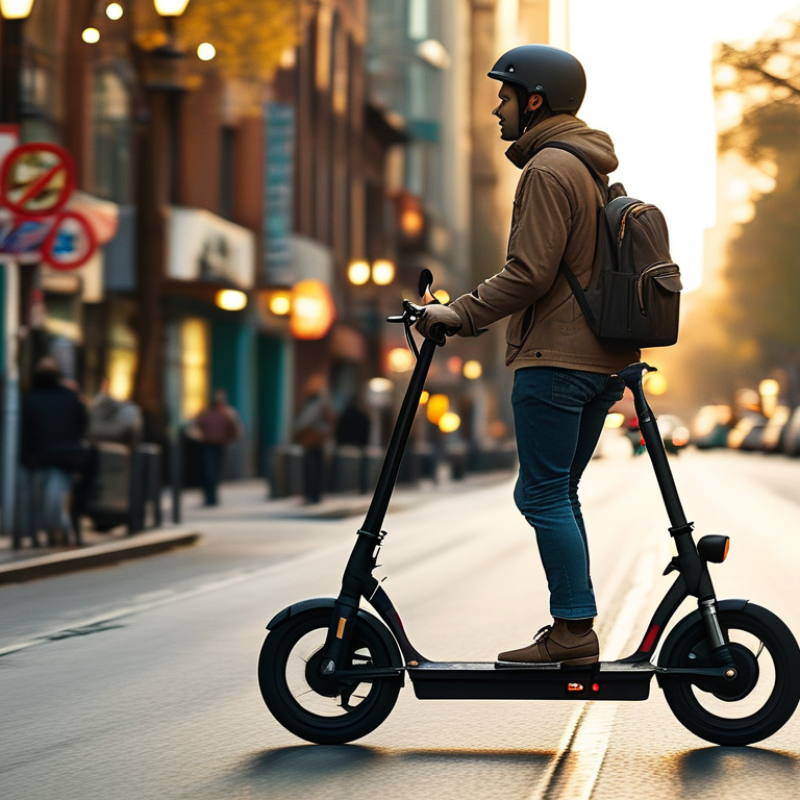
E-scooter regulations vary significantly across urban areas. Many cities have implemented specific requirements to ensure rider safety and public order. Common legalities include age restrictions, helmet mandates, and designated riding paths. In Australia, for instance, a report from the Australian Department of Transport indicates that riders must be at least 16 years old in most states. Cities like San Francisco have also set speed limits, typically capping e-scooters at 15 miles per hour to enhance pedestrian safety.
Parking regulations are another crucial aspect. Reports show that improper parking contributes to pedestrian hazards. Cities like Paris and Barcelona have designated e-scooter parking zones to minimize sidewalk clutter. Fines can be imposed for non-compliance, reminding users to be responsible. In New York City, riders face hefty penalties for riding on sidewalks, raising awareness about the shared urban space.
Despite these regulations, many riders remain unaware of the laws. A 2022 survey revealed that over 40% of e-scooter users did not know the specific regulations in their city. This gap highlights the importance of educational initiatives. Local authorities must enhance outreach efforts to promote compliance and encourage safe riding behaviors. As urban areas continue to adapt to e-scooter usage, ongoing evaluation of these laws is necessary to address emerging challenges.
: Many cities require riders to be at least 16 years old. Some places require riders to be 18.
Licensing requirements vary. Some areas need a driver's license; others require an e-scooter permit.
Yes, many local laws require riders to wear helmets. This can reduce the risk of serious injuries.
Padded gloves and knee pads are often recommended. They help protect against abrasions and impacts.
Yes, cities may require e-scooters to have working lights and reflectors for visibility at night.
Many jurisdictions prohibit riding on sidewalks. It’s crucial to know local laws to avoid penalties.
Violations can lead to fines or even confiscation of the e-scooter. Awareness is important to avoid issues.
Understanding local regulations and being considerate on the road promotes safety for all users.
Many riders are unaware of local rules. Inconsistent compliance can make streets less safe.
Regular maintenance ensures all equipment functions. This is essential to avoid accidents while riding.
E-scooter regulations vary significantly across urban areas, addressing several key aspects to ensure safe and responsible riding. Firstly, "What are the legal requirements for riding an e-scooter in the city" includes age limits and licensing mandates, which differ by location and aim to ensure that riders are of a responsible age. Additionally, specific safety gear, such as helmets, may be mandated, alongside compliance with local traffic laws aimed at promoting safety on the roads.
In many cities, designated riding areas are established while maintaining adherence to general traffic laws, which further guide e-scooter use. Enforcement measures and penalties for violations are also outlined, creating a framework to uphold these regulations and promote safe riding practices throughout urban environments. By understanding these legal requirements, e-scooter riders can navigate city streets more safely and responsibly.

 Evergreen Vehicle