As urban mobility evolves, folding bikes have gained significant traction. The question arises, "Why are folding bikes more expensive than regular bikes?" In 2026, the market reflects a notable price gap. According to the Bicycle Association's recent report, the retail price of folding bikes has seen an average increase of 15% compared to standard models. This disparity can be attributed to various factors, including engineering complexities and materials used.
Industry expert Dr. Jane Thompson states, "The compact design and innovative features of folding bikes incur higher production costs." The intricate mechanisms that allow for seamless folding require precision engineering. Lightweight materials, such as aluminum and carbon fiber, are often employed, adding to manufacturing expenses. These factors lead to a higher retail price.
Despite their cost, folding bikes offer unique advantages. They provide versatility and convenience for commuters in congested areas. However, the price tag often leads potential buyers to contemplate their value versus traditional bicycles. Understanding the investment in folding bikes entails recognizing the engineering and technology behind them. Further exploration is essential for consumers navigating this complex market.
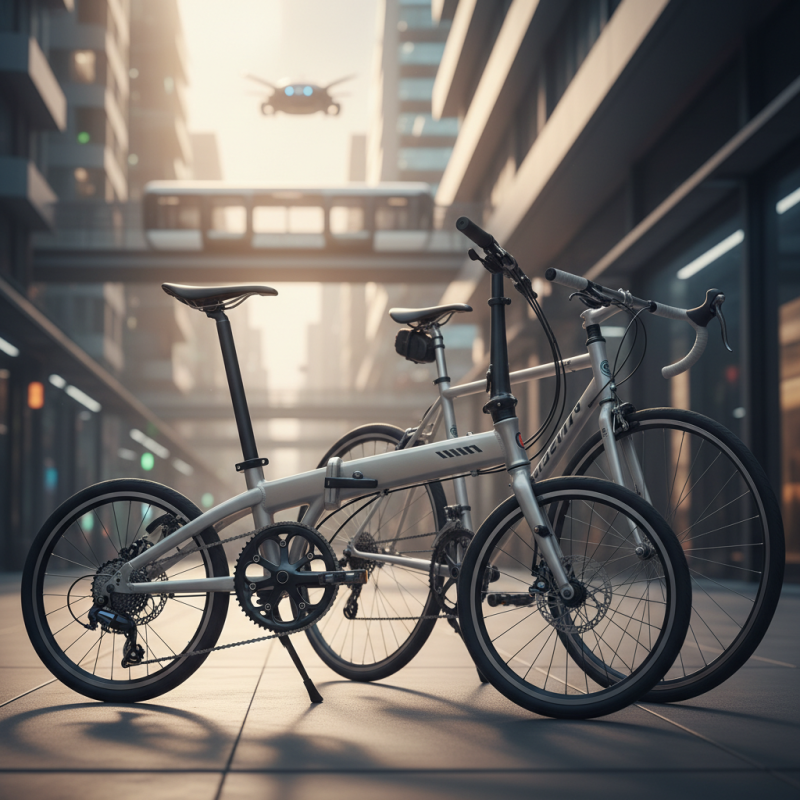
Folding bikes have become increasingly popular, but they often come with a higher price tag than traditional bicycles. According to industry reports, the average cost of folding bikes rose by 15% in 2026. This spike can be attributed to several key factors that contribute to their production costs.
One significant factor is the materials used in manufacturing folding bikes. High-quality aluminum and advanced composites enhance durability and reduce weight. However, these materials are often pricier than those used in regular bikes. A report from the Bicycle Industry Association states that high-end folding bikes can cost upwards of $1,500 due to material choices. Such investments aim to ensure longevity and performance, appealing to dedicated cyclists.
Additionally, the engineering complexity involved in creating a reliable folding mechanism adds to production costs. Unlike standard bikes, folding bikes require precision in design and assembly. The need for specialized components further drives up the price. According to a survey by Cycling Weekly, about 30% of consumers express concerns over folding bike durability versus standard bikes. This highlights the necessity for quality assurance, which can be a costly endeavor for manufacturers. The balance between quality, functionality, and price remains a challenging aspect of the folding bike market.
: Folding bikes often use aluminum alloys and high-tensile steel for durability and lightweight performance.
Their advanced materials and specialized engineering, including intricate hinge mechanisms, increase production costs.
Urban congestion and a shift towards eco-friendly transportation options are increasing the popularity of folding bikes.
They assist with short commutes and help reduce carbon footprints, which aligns with current environmental values.
New models often include GPS tracking and electronic gear shifting, enhancing convenience and user experience.
Some users experience issues with the folding mechanisms, and smart tech may confuse less tech-savvy riders.
Convenience features may lead to higher prices, as buyers often link cost with quality and enhanced experience.
Yes, some consumers may struggle with the complexities of folding mechanisms or advanced technologies over time.
No, some believe the higher price tag is not justified when compared to traditional models.
They should weigh the benefits of portability and durability against the higher initial costs and potential complications.
The article "Why Are Folding Bikes Costlier Than Regular Bikes in 2026?" delves into several key factors that contribute to the higher production costs associated with folding bikes. One significant aspect is the complex engineering and advanced materials used in their design, which often surpass the requirements of regular bicycles. Additionally, technological advancements have led to innovative features that enhance functionality but also increase manufacturing expenses.
Market demand plays a crucial role in influencing pricing as the popularity of folding bikes rises among urban commuters and travel enthusiasts. This trend is further amplified by the logistics of shipping and retail costs, which can be higher for folding bikes due to their unique packaging and handling needs. Overall, these factors help explain why are folding bikes more expensive than regular bikes, providing insights into the evolving landscape of cycling in 2026.

 Evergreen Vehicle