Enhancing the climbing skills of electric mobility scooters is crucial for users who navigate varied terrains. According to Dr. Emily Hart, a leading expert in mobility solutions, "Understanding the mechanics of your scooter is essential for optimal performance on inclines." Her insights highlight the need for proper techniques and maintenance.
When considering how to improve the climbing ability of an electric mobility scooter, it's vital to focus on several factors. Weight distribution plays a significant role. An uneven load can hinder performance on steep surfaces. Regular checks on the scooter's battery health and tire pressure can also make a difference. Users often overlook these details, leading to frustration during use.
Additionally, the choice of scooter matters. Not all models are built for high inclines. Research can reveal scooters designed with better torque and traction. Adapting to these variations can significantly impact climbing efficiency. Reflecting on personal experiences can also guide improvements. Emphasizing practice and familiarization with your scooter's capabilities is often overlooked yet essential for mastering hills.
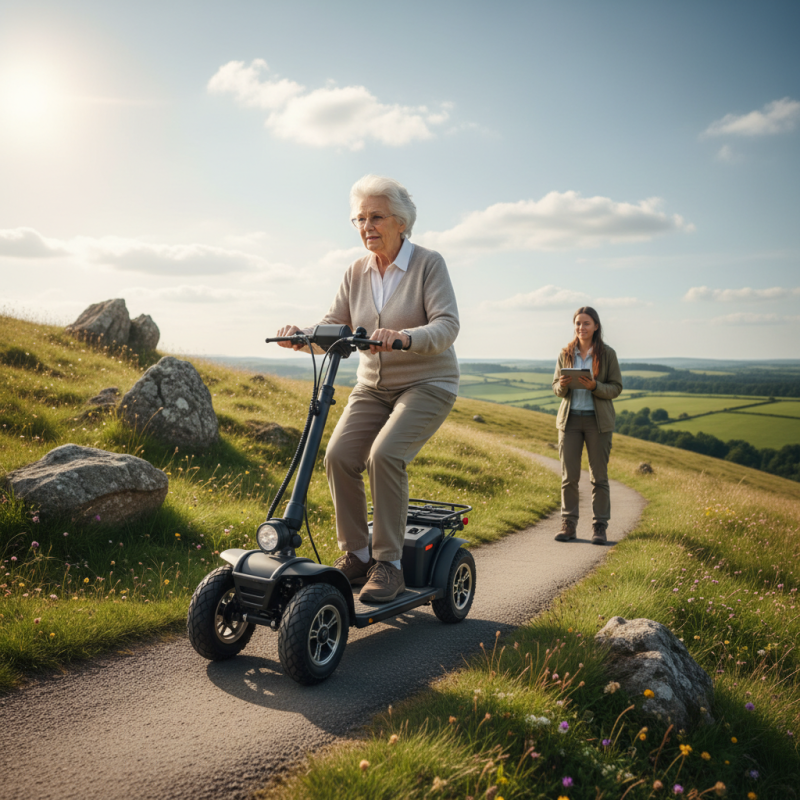
Electric mobility scooters are becoming increasingly popular among individuals seeking independence. Understanding their capabilities is essential for improving climbing skills. These scooters typically feature an electric motor, which provides assistance on varied terrains. The power and battery quality directly affect their ability to tackle slopes.
Many users underestimate the significance of weight distribution. A well-balanced scooter allows for better traction and reduces the risk of tipping over on inclines. Learning how to shift your body weight can make a noticeable difference when facing steep ramps. Practicing on gradual hills can help build confidence and improve skill sets over time.
Moreover, familiarity with each scooter's controls enhances safety during climbs. The throttle response and braking system are crucial. Users must practice navigating obstacles while maintaining control. Reflecting on any previous challenges faced on inclines can help identify areas for improvement. Each ride becomes a valuable learning opportunity.
Climbing with an electric mobility scooter presents unique challenges. Various terrains require different approaches for effective navigation. For example, steep inclines can be particularly daunting. Data suggests that most mobility scooters can handle a maximum incline of 12 degrees. However, many users report struggles even on slopes testing this limit.
The surface of the terrain significantly affects scooter performance. Grass and gravel increase friction, making climbs more strenuous. A report from the National Mobility Equipment Dealers Association (NMEDA) indicates that scooters struggle with uneven surfaces. Uneven terrain can lead to balance issues and increased risk of tipping. Users often need experience to assess these risks effectively.
Knowledge of personal capability is crucial. Each rider may find particular terrains challenging. Some riders may manage a steep hill with ease, while others may need assistance. Reflecting on past experiences can help identify strengths and weaknesses. Riders should consider their scooter's specifications and the terrain's conditions for safe and effective climbs.
Climbing hills on an electric mobility scooter can be challenging. Understanding the nuances of your scooter is essential. Make sure to familiarize yourself with its power capacity. Some scooters struggle with steep inclines, which affects performance. Regular maintenance is crucial for optimal climbing ability. Keep your tires inflated and check brake conditions.
Form plays a vital role in climbing. Leaning forward helps shift weight. This technique can enhance traction on steep gradients. Additionally, using a smooth throttle can prevent sudden power loss. Modulating your speed will maintain consistent momentum. If obstacles arise, practice stopping and starting on hills. This will build confidence and skill.
Navigating tough terrains may require practice and patience. Trial and error will teach you what works best. Some may find themselves struggling with specific types of hills. Reflect on previous experiences to improve your techniques. Each climb is an opportunity for growth and learning.
Maintaining your electric mobility scooter is crucial for enhancing climbing skills. Regular checks can greatly improve performance. Inspect the battery regularly. A weak battery can struggle on inclines. Ensure connections are clean and secure. Replacing old batteries can provide the power needed for climbing.
Tire pressure is just as important. Under-inflated tires can hinder performance on slopes. Ensure you keep them properly inflated. This not only helps with climbing but also enhances overall stability. Additionally, consider the scooter's weight. Carrying unnecessary items can affect maneuverability.
Regularly lubricate the scooter's moving parts. This prevents wear and tear and ensures smooth operation. Check brakes for responsiveness. Ineffective brakes can be dangerous, especially on steep inclines. Understanding these maintenance tips can make a significant difference. Reflect on your use and adjust accordingly for the best results.
When using electric mobility scooters for climbing, safety should always be a priority. One crucial precaution is to check the scooter's battery level before tackling any incline. A low battery can lead to unexpected stalling. Ensure your tires are properly inflated, as under-inflated tires can slip and reduce traction. Hills can be challenging, and a lack of traction can lead to falls or accidents.
It's also essential to be aware of your surroundings. Look out for loose gravel, wet leaves, or uneven pavement. These obstacles can create dangerous conditions. If possible, practice climbing on less steep slopes to build confidence. Learning how to control speed on inclines is vital. Rushing can cause loss of control, especially when descending.
Consider wearing protective gear, such as a helmet, during practice runs. While it may feel awkward, that extra layer of safety can make a difference. Pay attention to your body’s signals. If something feels off, reassess the situation. Challenging your skills is important, but pushing too hard can lead to accidents or injuries. Slow progress is still progress.
: Always check the battery level to avoid stalling on inclines.
Proper weight distribution enhances traction and reduces tipping risks on slopes.
Under-inflated tires can slip, hindering performance and reducing safety on inclines.
Practice navigating gradual hills to build confidence and enhance your skills.
Regularly inspect the battery, tires, and lubricate moving parts for optimal function.
Yes, watch for loose gravel, wet leaves, and uneven pavement that can be hazardous.
Wearing a helmet is wise; it adds safety even if it feels awkward.
Learning to manage speed is critical. Rushing can lead to loss of control.
Carrying unnecessary items affects maneuverability, especially on slopes.
Consider past challenges to identify areas for improvement. Each ride is a learning chance.
Electric mobility scooters are designed to provide enhanced mobility for users, but climbing can sometimes present challenges. Understanding the capabilities of these scooters is crucial for tackling various terrains. To improve the climbing ability of an electric mobility scooter, it is essential to recognize the specific terrain challenges, such as steep inclines or uneven surfaces.
Implementing techniques like adjusting speed and weight distribution can make a significant difference. Regular maintenance, including battery checks and tire inflation, ensures optimal performance when facing inclines. Moreover, adhering to safety precautions, such as wearing protective gear and being aware of surroundings, is vital when navigating challenging climbs. By following these guidelines, users can significantly enhance their climbing skills and enjoy greater freedom with their mobility scooters.

Evergreen Vehicle